
Starting a Commercial Golf Simulator Business in the UK

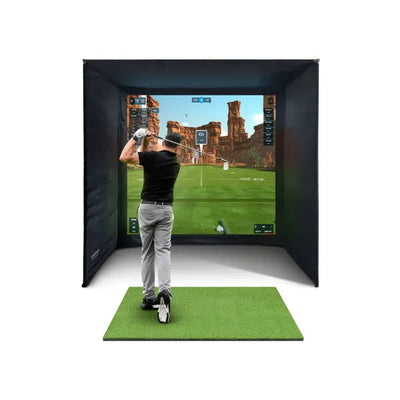
We found that the most successful commercial golf simulator venues in the UK share common traits in their approach to location selection, equipment choices, and customer experience design. The commercial golf simulator industry in the UK has grown substantially and continues to expand as operators discover the revenue potential of indoor golf venues. From single-bay setups in pubs and sports bars to multi-bay dedicated facilities in town centres, commercial golf simulator businesses are appearing across the country. The appeal is clear — they generate revenue year-round regardless of weather, attract a broad demographic beyond traditional golfers, and create a social entertainment experience that competes with bowling, darts, and escape rooms. This guide covers everything needed to launch a commercial golf simulator operation in the UK, from initial planning through to profitable operation.
Commercial Golf Simulator Venue Options
The first decision is your venue format, which determines everything from startup costs to target market. A single-bay installation in an existing business — a pub, bar, hotel, or sports club — represents the lowest-risk entry point. You add a golf simulator to a venue that already has footfall, using the simulator as a premium attraction that drives food and drink revenue. Startup costs are typically five thousand to fifteen thousand pounds for equipment and installation, with the venue providing the space, staff, and existing customer base.
A dedicated multi-bay golf simulator venue is a larger commitment with higher potential returns. These purpose-built spaces typically feature three to eight bays, a bar and lounge area, and a social atmosphere designed around the golf simulator experience. Think of it as a bowling alley concept adapted for golf. Startup costs range from fifty thousand to two hundred thousand pounds depending on the number of bays, location, and fit-out quality. The revenue potential is significant — a six-bay venue in a good location can generate three hundred thousand to five hundred thousand pounds annually.
A mobile or pop-up golf simulator operation offers flexibility with lower fixed costs. A portable simulator setup in a trailer or temporary structure can be deployed at events, corporate functions, golf days, and seasonal venues. This model suits operators who want to test the market before committing to a fixed location, or who prefer the variety and reduced overheads of a mobile operation.

Commercial Golf Simulator Equipment Selection
Equipment choice for a commercial golf simulator business differs from home installations in several important ways. Durability becomes critical — commercial units endure thousands of shots per week from players of varying ability, many of whom have never used a simulator before. Impact screens, mats, and enclosures need to withstand significantly higher volumes of use and abuse than home equipment.
Launch monitor selection for commercial use prioritises reliability and ease of use over portability. Overhead-mounted systems from Uneekor are popular in commercial settings because they require no setup between sessions, have no floor-level equipment that customers might kick or move, and maintain consistent calibration without staff intervention. The zero-setup advantage that makes overhead systems convenient for home users becomes essential for commercial operations where minimising bay turnaround time directly affects revenue.
The Foresight GC3s and FlightScope Mevo+ Gen 2 are also used in commercial settings, particularly in coaching-focused venues where portability is valued. The choice depends on your business model — social entertainment venues favour overhead fixed systems for their hands-off operation, while coaching studios may prefer portable systems that can be repositioned between bays. Browse our launch monitor collection for all commercial-grade options.
Revenue Models for Commercial Golf Simulator Businesses
The most common revenue model is hourly bay rental, typically priced between thirty and sixty pounds per hour in the UK. Peak hours (evenings and weekends) command higher rates, while off-peak hours can be discounted to maintain occupancy. A single golf simulator bay operating at fifty percent occupancy for twelve hours a day at an average rate of forty pounds per hour generates approximately eighty-seven thousand pounds annually. At six bays, the revenue potential is substantial.
Food and beverage revenue is often the most profitable complement to bay rental. Golf simulator sessions create a social atmosphere where groups naturally order drinks and food. Many successful operators report that food and beverage revenue equals or exceeds bay rental revenue, making the bar operation as important as the golf simulator equipment. The combination of golf, food, and drinks creates an evening-out experience that competes effectively with restaurants and pubs.
Additional revenue streams include coaching services (hiring PGA professionals to offer lessons using the simulator data), corporate events and team-building packages, league and tournament hosting, membership programmes with discounted rates and priority booking, and equipment sales and fitting services. Diversified revenue protects against seasonal fluctuations and maximises the commercial value of each golf simulator bay. Our simulator collection includes packages suited to multi-bay commercial installations.

UK Licensing and Regulations for Golf Simulator Businesses
Operating a commercial golf simulator venue in the UK requires attention to several regulatory areas. Planning permission may be required depending on the change of use — converting a retail unit to a leisure venue typically requires a change of use application to the local planning authority. Business rates apply at the commercial rate for your property, and insurance must cover public liability, employer liability if you have staff, and equipment insurance for your golf simulator installations.
If you serve alcohol, you need a premises licence from the local council and a personal licence holder on staff. Late-night refreshment licensing applies if you serve hot food or drinks after eleven PM. Health and safety requirements include fire risk assessments, adequate emergency exits, accessible facilities, and safe electrical installations. A food hygiene rating is required if you serve food, even bar snacks.
These regulatory requirements are standard for any UK leisure and hospitality business and should not deter a well-planned operation. Budget for professional advice from an accountant, solicitor, and licensing consultant during the planning stage. The investment in proper professional guidance at the start prevents costly mistakes and delays during setup.
Marketing a Commercial Golf Simulator Business
Successful commercial golf simulator operators focus marketing on the social experience rather than the golf technology. Most of your customers, particularly during profitable evening and weekend slots, will be groups looking for a fun night out rather than dedicated golfers seeking practice facilities. Market the experience — competitive fun with friends, a unique date night, a memorable corporate event — rather than launch monitor specifications and ball tracking accuracy.
Social media content showing groups laughing and competing in your venue performs far better than technical content about the golf simulator equipment. User-generated content is particularly effective — encourage customers to share their experiences with a branded hashtag and incentivise sharing with small discounts. Local SEO matters significantly for venue businesses — ensure your Google Business Profile is complete, encourage reviews, and target location-specific search terms in your website content.
Partnerships with local businesses, golf clubs, and corporate event organisers create reliable booking pipelines. Golf club partnerships work particularly well — offer club members a discounted rate and they become regular customers during winter months when the course is waterlogged. Corporate partnerships generate high-value group bookings that fill multiple bays simultaneously. Read our buyer's guide for equipment guidance, and browse our simulator bundles for packages designed for commercial installation.

Lessons from Successful UK Golf Simulator Operators
Location matters more than equipment. A mediocre golf simulator in a high-footfall town centre location will outperform a premium system in an industrial estate unit. Invest in location first, equipment second. The technology is good enough at every commercial price point — the differentiator is whether customers can find you easily and whether the venue atmosphere makes them want to return.
Staff make or break the experience. Friendly, helpful staff who can explain the golf simulator to complete beginners create repeat customers. Technical expertise is less important than hospitality skills — you can teach someone to reset a bay, but you cannot teach them to make customers feel welcome. Hire for personality and train for process.
Pricing strategy should encourage longer sessions. Offering a discount for booking two hours rather than one increases per-visit revenue and improves the customer experience — an hour is often too short for a group to feel they have had a full evening out. Consider unlimited-play memberships for regular customers, which provide predictable recurring revenue and build community loyalty around your venue.
Invest in quality hitting mats, impact screens, and net systems designed for commercial volume. Consumer-grade equipment that lasts years in a home setting may wear out within months in a busy commercial venue. Commercial-grade mats, screens, and enclosures cost more upfront but their durability saves money and prevents downtime over the lifetime of your operation.

Technology and Software for Commercial Golf Simulator Venues
Commercial venues need software that is intuitive for first-time users who have never seen a golf simulator before. E6 Connect provides the most polished commercial interface with an easy-to-use bay management system designed for multi-bay venues. The graphics quality impresses casual visitors and creates the premium atmosphere that justifies higher hourly rates. GSPro's vast course library provides variety for repeat visitors who want to play different courses each visit.
Bay management software is essential for venues with three or more bays. These platforms handle booking, session timing, payment processing, and customer management. Some integrate directly with the launch monitor and simulation software to automate bay setup and shutdown, reducing staff workload and ensuring consistent session delivery. The investment in proper bay management pays back quickly through operational efficiency and reduced errors.
Networking your bays allows multiplayer tournaments where groups compete across multiple simulators simultaneously. This feature is enormously popular for corporate events and league nights, where the competitive element and social atmosphere create memorable experiences that generate word-of-mouth referrals. Ensure your internet infrastructure supports multiple simultaneous connections with low latency. For a detailed look at the software options available, read our software comparison guide, and see our cost breakdown for equipment pricing guidance.
Before signing a lease, check the UK Government's planning use classes guidance to understand how your proposed venue's current use class affects planning requirements.
Frequently Asked Questions
How much does it cost to start a golf simulator business in the UK?
A single-bay installation in an existing venue costs five thousand to fifteen thousand pounds for equipment. A dedicated multi-bay venue costs fifty thousand to two hundred thousand pounds including fit-out, equipment, and initial operating capital. The wide range reflects differences in venue size, location, equipment quality, and the extent of food and beverage facilities.
Is a commercial golf simulator business profitable?
Well-operated venues with good locations can achieve payback on their initial investment within twelve to twenty-four months. A six-bay venue at fifty percent occupancy and forty pounds per hour average pricing generates over five hundred thousand pounds annually before costs. Profitability depends on location, occupancy rates, operational efficiency, and food and beverage revenue. Single-bay installations in existing venues can be profitable within three to six months due to lower startup costs.
What golf simulator is best for commercial use?
Overhead-mounted systems like Uneekor are popular for multi-bay commercial venues because they require no per-session setup and are not susceptible to customer interference. The Foresight GC3s and FlightScope Mevo+ Gen 2 are used in coaching-focused commercial settings. Choose based on your business model — social entertainment venues favour overhead fixed systems, coaching studios may prefer portable options.
Do I need planning permission for a golf simulator venue?
Potentially, depending on the existing use class of your premises. Converting a retail unit (Use Class E) to a leisure venue may not require planning permission under current regulations, but it is essential to check with your local planning authority. Adding a simulator bay to an existing pub or sports bar typically does not require a change of use. Always verify with the council before signing a lease or committing to a venue.
How many golf simulator bays do I need to be profitable?
A single bay can be profitable in an existing venue where the simulator complements existing revenue streams. For a standalone dedicated venue, three to four bays is the minimum viable number — this provides enough capacity to handle group bookings while maintaining individual bay availability. Six to eight bays is the sweet spot for maximising revenue while managing operational complexity. More than eight bays requires proportionally more staff and a larger venue, which increases overheads significantly.

Free Home Golf Simulator Design Consultation
Not sure on space, screen or launch monitor? Chat directly with Tom, OpenGolfer’s founder — he has designed hundreds of home setups and will tell you exactly what fits your room and budget.
- Send your room size (or a photo) — get a tailored layout and spec for your space, ceiling height included
- Personal replies from a real golfer, not a call centre
- Honest advice on what to buy — and what not to
Usually replies within the hour, 8am–8pm · prefer to talk? 02033 768500


Leave a comment